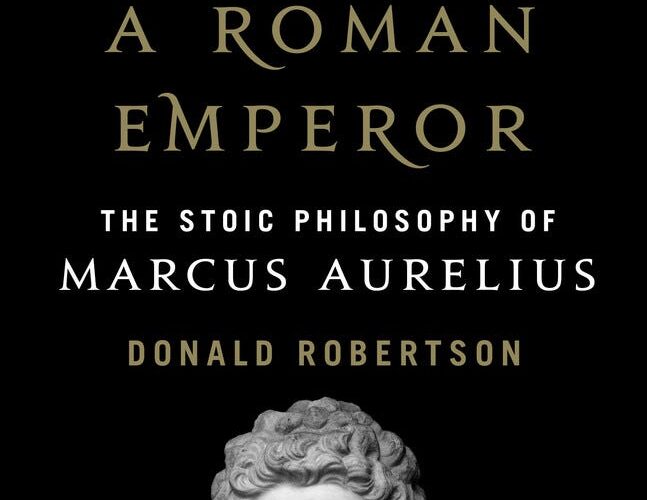
Bienvenidos a nuestro blog, donde hoy exploraremos la filosofía estoica de Albert Ellis y cómo puede aplicarse a la vida moderna. La filosofía estoica se ha mantenido relevante durante siglos, y su enfoque en la autodisciplina, la lógica y el autocontrol continúa siendo una herramienta valiosa para enfrentar los desafíos de la vida cotidiana. En este artículo, examinaremos cómo la filosofía estoica de Ellis puede ayudarnos a cultivar la resiliencia y el bienestar emocional en un mundo cada vez más complejo y desafiante. Así que, prepárate para explorar la sabiduría eterna de la filosofía estoica en un contexto moderno.
Índice
What is the Stoic approach to life?
The Stoic approach to life is a philosophy that originated in ancient Greece and has been practiced by some of the world’s greatest thinkers, from Marcus Aurelius to Albert Ellis. At its core, Stoicism is a philosophy of self-improvement and personal growth that emphasizes the importance of living in accordance with nature and accepting the things we cannot control.
Albert Ellis’s Stoic Philosophy is a modern interpretation of this ancient philosophy that emphasizes the power of rational thinking and self-reflection in overcoming life’s challenges. Ellis believed that by adopting a Stoic mindset, individuals could learn to manage their emotions and achieve greater inner peace and happiness.
One of the key tenets of Stoicism is the idea that we cannot control external events, but we can control our reactions to them. This means that we should focus on developing our inner resilience and strength, rather than trying to change the world around us. By accepting our circumstances and working to improve ourselves, we can find greater meaning and purpose in life.
Ellis’s Stoic Philosophy takes this idea a step further, emphasizing the importance of rational thinking and self-reflection in developing this inner strength. Through techniques like cognitive restructuring and rational emotive behavior therapy, Ellis believed that individuals could learn to recognize and challenge their negative thought patterns, and develop more positive and adaptive ways of thinking.
Another key element of Stoic philosophy is the idea of living in accordance with nature. This means recognizing our place in the natural world and living in harmony with it. By practicing mindfulness and cultivating a sense of gratitude for the beauty and wonder of the world around us, we can find greater peace and fulfillment in life.
Ellis’s Stoic Philosophy also emphasizes the importance of taking responsibility for our own lives and actions. Rather than blaming external circumstances or other people for our problems, we should recognize that we have the power to change our own lives through our choices and actions.
In summary, the Stoic approach to life is a philosophy of self-improvement and personal growth that emphasizes the importance of accepting our circumstances, developing inner strength and resilience, and living in accordance with nature. Albert Ellis’s Stoic Philosophy builds on this tradition, emphasizing the power of rational thinking and self-reflection in achieving greater happiness and fulfillment in life.
What are the 4 main ideas of Stoicism?
Stoicism is a philosophical school of thought that originated in ancient Greece. Its teachings have endured through the ages and have been adopted by many modern-day thinkers, including psychotherapist Albert Ellis.
The four main ideas of Stoicism are:
- Self-control: Stoics believed that we should focus on the things that we can control and let go of the things that we cannot. This means that we should strive to control our emotions, thoughts, and behaviors in order to live a more peaceful and fulfilling life.
- Detachment: Stoics believed that we should detach ourselves from external things, such as wealth, fame, and material possessions. By doing so, we can avoid becoming overly attached to these things and experiencing negative emotions when they are lost or taken away.
- Reason: Stoics believed that reason should guide our actions and decisions. By using our rational minds, we can make better choices and avoid being controlled by our emotions.
- Virtue: Stoics believed that living a virtuous life is the key to happiness. By cultivating qualities such as wisdom, courage, justice, and self-discipline, we can live a life of purpose and meaning.
Albert Ellis was greatly influenced by Stoic philosophy and incorporated many of its teachings into his own approach to psychotherapy. Ellis believed that by adopting a Stoic mindset and focusing on the things that we can control, we can overcome many of the challenges and difficulties that we face in life.
If you are interested in learning more about Stoicism and how it can be applied to modern-day life, consider reading Albert Ellis’s book A Guide to Rational Living or exploring some of the many resources available online.
Is CBT based on Stoicism?
En la terapia cognitivo-conductual (CBT), la filosofía estoica ha tenido una influencia significativa. La CBT se centra en identificar y cambiar los pensamientos y comportamientos negativos que causan malestar emocional. Esta terapia se basa en gran medida en la idea de que no son los eventos en sí mismos los que nos afectan, sino la forma en que los interpretamos.
El filósofo Albert Ellis fue uno de los primeros en incorporar la filosofía estoica en la CBT. Él creía que los pensamientos negativos y las emociones dolorosas eran el resultado de creencias irracionales y distorsionadas. Estas creencias, según Ellis, son similares a las creencias irracionales que los estoicos describieron como causantes de la perturbación emocional.
La filosofía estoica se centra en vivir de acuerdo con la razón y la virtud, y aceptar las cosas que no se pueden cambiar. La CBT utiliza técnicas similares para ayudar a las personas a superar la ansiedad, la depresión y otros trastornos emocionales. Los terapeutas de CBT fomentan la aceptación de los eventos que están fuera de nuestro control y la concentración en lo que podemos controlar, como nuestros pensamientos y acciones.
La CBT utiliza técnicas similares para ayudar a las personas a mejorar su bienestar emocional y mental, alentando la aceptación y el enfoque en lo que se puede controlar.
Para más información sobre la filosofía estoica y su aplicación en la CBT, consulta el libro de Albert Ellis, «Stoic Philosophy for Everyday Life».
Did Stoics believe in Jesus?
Albert Ellis’s Stoic Philosophy: A Modern Approach to Life is a great resource for those seeking guidance on how to live a fulfilling life. One question that often arises when discussing Stoicism is whether or not Stoics believed in Jesus.
The answer is a bit complex, as Stoicism predates Christianity by several hundred years. While the Stoics did not believe in Jesus as a divine figure, they did value many of his teachings, such as the importance of living a virtuous life and treating others with kindness and compassion.
Stoics believed in living in accordance with nature and the rational principles that govern the universe. They also believed in using reason to overcome negative emotions and live a life of tranquility. While Jesus may not have been a central figure in Stoic philosophy, his teachings align with many of the core values of Stoicism.
Overall, while the Stoics did not believe in Jesus in the way that Christians do, they did appreciate his teachings and the values he stood for. If you are interested in learning more about Stoic philosophy and how it can be applied to modern life, check out Albert Ellis’s Stoic Philosophy: A Modern Approach to Life.
Conclusión
En resumen, la filosofía estoica de Albert Ellis es una aproximación moderna y práctica para vivir una vida plena y satisfactoria. La idea de aceptar el mundo tal y como es, en lugar de resistirse a él, puede ayudar a reducir el estrés y la ansiedad en nuestras vidas. Además, la práctica de la racionalidad y la evaluación objetiva de nuestras creencias y pensamientos pueden ayudarnos a superar los obstáculos y desafíos que enfrentamos.
En última instancia, la filosofía estoica de Albert Ellis nos enseña a aceptar la responsabilidad de nuestras propias emociones y acciones, y a vivir una vida de autenticidad, autocontrol y gratitud.